Lockheed Martin PAC-3 MSE Patriot interceptors
 UKRAINE
DOT-Chain Defence Marketplace Passes 1.5 Million Items Delivered to Ukrainian Units
Ukrainian combat units have received more than 1.5 million drones and other items worth over $2.2 billion through the DOT-Chain Defence marketplace since July 2025, the Defense Ministry said.
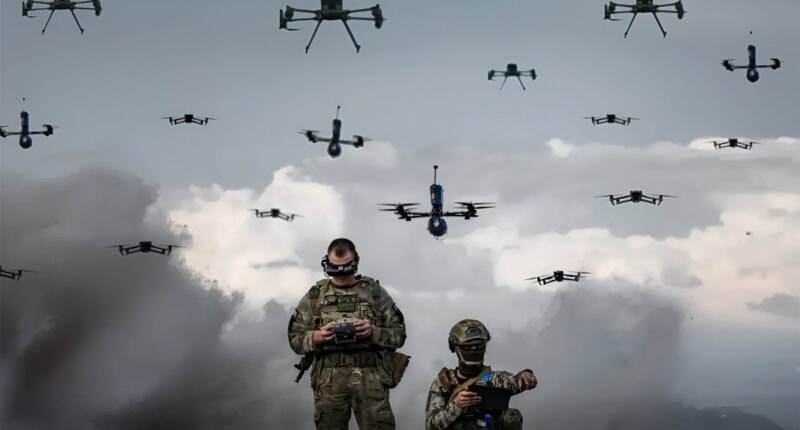
Ukraine’s online military marketplace has now moved more than 1.5 million drones and other pieces of equipment to frontline units, the Ministry of Defense said, with deliveries worth more than $2.2 billion (100 billion hryvnias) since DOT-Chain Defence opened in July 2025.
Unmanned aerial vehicles make up the largest share. The ministry said fiber-optic and radio-controlled first-person-view drones lead delivery volumes, followed by interceptors, bombers, and fixed-wing aircraft. After drones come unmanned ground vehicles, electronic warfare systems, and ammunition for unmanned systems.
How the store works
The ministry describes the system as an online store. Units pick what they need from a catalog and pay with state funds, while the Defense Procurement Agency DOT, which built the platform, handles contracts with manufacturers and payments. It sits alongside direct procurement rather than replacing it.
The catalog lists more than 1,800 items from 300 Ukrainian manufacturers. Items in stock arrive in eight days on average, and pre-ordered equipment takes about a month and a half, according to the ministry. Since launch, one in five drones bought by the agency has reached the military through the marketplace.
DOT-Chain is also connected to Brave1, the government-backed defense technology cluster that supports the development, testing, and procurement of drones and other systems.
A fast climb this year
The new total shows how quickly volumes have grown. In June, the ministry said units had received 485,000 drones worth about $699 million (31.4 billion hryvnias) through the platform in the first five months of 2026 alone. It said then that Ukrainian manufacturers supplied 95 percent of the drones bought for the armed forces in that period, and that the average wait between order and delivery was nine days.
Those purchases covered fiber-optic FPV drones, Mavic-type reconnaissance drones, heavy bombers, medium- and long-range strike drones, and Shahed interceptors.
The marketplace also feeds the ministry’s drone buying rules. Under a reform introduced in March, units send their requirements to the General Staff, which sets the capabilities needed, such as range, payload, or strike profile, rather than naming a model or manufacturer. Data from DOT-Chain Defence, Brave1 Market, the eBalov combat effectiveness platform, and the DELTA battlefield system is then used to compare systems. The reform sends 80 percent of procurement spending to systems with proven results and keeps 20 percent for testing new technology.
The Defense Post reported the latest figures on November 13.


 JOINT VENTURES · 28 NOV